
2026
Comparably’s Best Company Outlook
* Providing engineering services in these locations through SWCA Environmental Consulting & Engineering, Inc., an affiliate of SWCA.


From the experts we hire, to the clients we partner with, our greatest opportunity for success lies in our ability to bring the best team together for every project.
That’s why:

At SWCA, sustainability means balancing humanity’s social, economic, and environmental needs to provide a healthy planet for future generations.
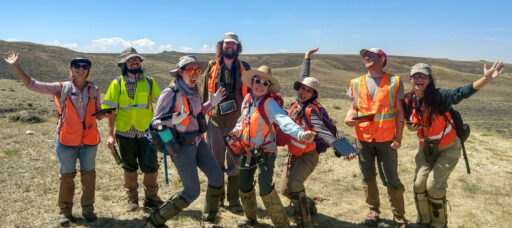
SWCA employs smart, talented, problem-solvers dedicated to our purpose of preserving natural and cultural resources for tomorrow while enabling projects that benefit people today.
At SWCA, you’re not just an employee. You’re an owner. Everyone you work with has a stake in your success, so your hard work pays off – for the clients, for the company, and for your retirement goals.
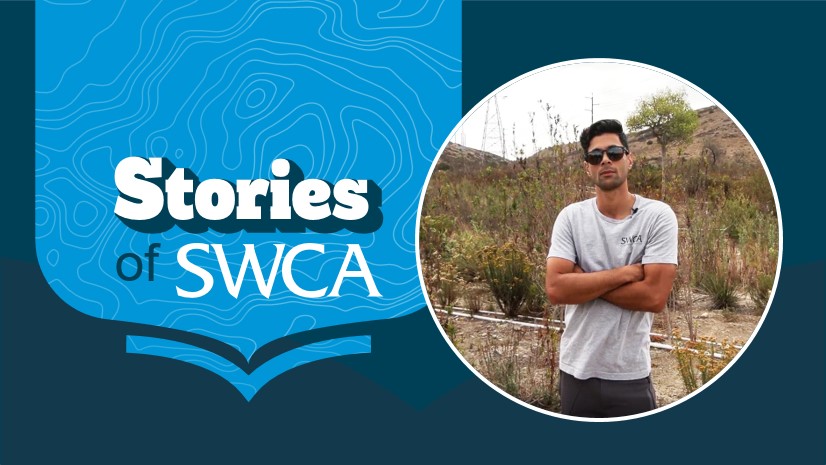
Stories of SWCA: Marcus Goncalves
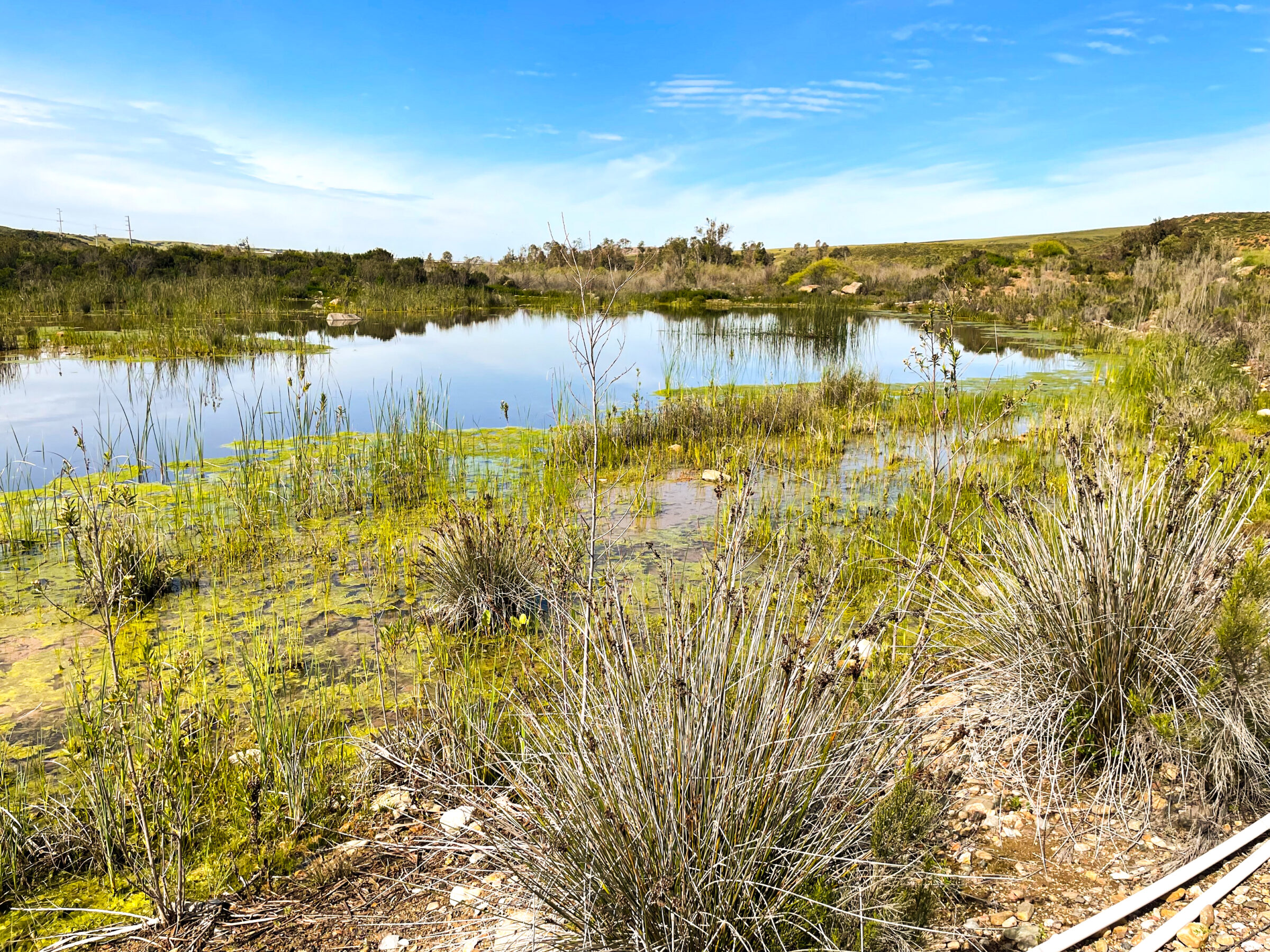
Marcus is an ecologist with 18+ years of experience as a project executive, who has supported habitat restoration and species conservation projects by supporting permitting and design and managing complex implementations. His expertise includes performing biodiversity surveys, habitat assessments and management of nonnative vegetation. He is a CRAM trainer and leads SWCA’s ecological restoration team in Southern California.
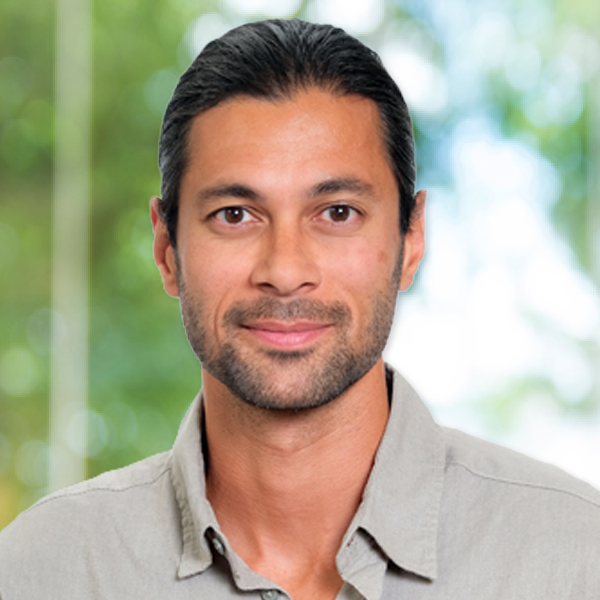
Vince is a content developer at SWCA, where he helps subject matter experts tell their stories. An engaging storyteller and translator of technical information, he loves communicating the significance of his colleagues’ work.
Stories of SWCA is a monthly series highlighting the people behind our work. Each feature explores an employee’s background and career journey—what brought them to SWCA, what drives them, and how their work contributes to our mission and impact.
An idealist with the business savvy to make things happen, Senior Restoration Ecologist and Southern California Team Lead, Marcus Goncalves leads the pursuit of new business in Southern California, manages high-profile ecological restoration projects, and provides ecological restoration expertise to support ongoing research and projects.
Let’s meet Marcus.
Ten years ago, it wasn’t clear that Marcus would end up in ecological restoration, much less at SWCA. At that time, he was eight years into a career licensing movies as inflight entertainment for international airline carriers. Managing staff in Sao Paulo, Panama City, Bogota, Rome and Sydney, and conducting business on every continent except Antarctica, Marcus was well served by his fluency in Portuguese, Spanish and English.
“But I’m an idealist,” Marcus says, “that career taught me so much of the business skill set that I use at SWCA today – things like client relationship management, proposal writing, project management, risk assessment, budget management, etc. But I wanted to make more of a positive impact with my work.”
For Marcus, this meant returning to his roots. He had studied freshwater ecology in Brazil before moving to Santa Cruz. In 2018, he had the opportunity to pivot into ecological restoration by way of a Masters in Conservation and Restoration Sciences program at University of California, Irvine. Only a few years later, Marcus joined SWCA.
“When the opportunity to join SWCA came up, it was a no-brainer,” Marcus says, “I brought my years in business experience along with my experience and training as an ecologist. And SWCA offered cool projects, a great company culture and employee-ownership.”
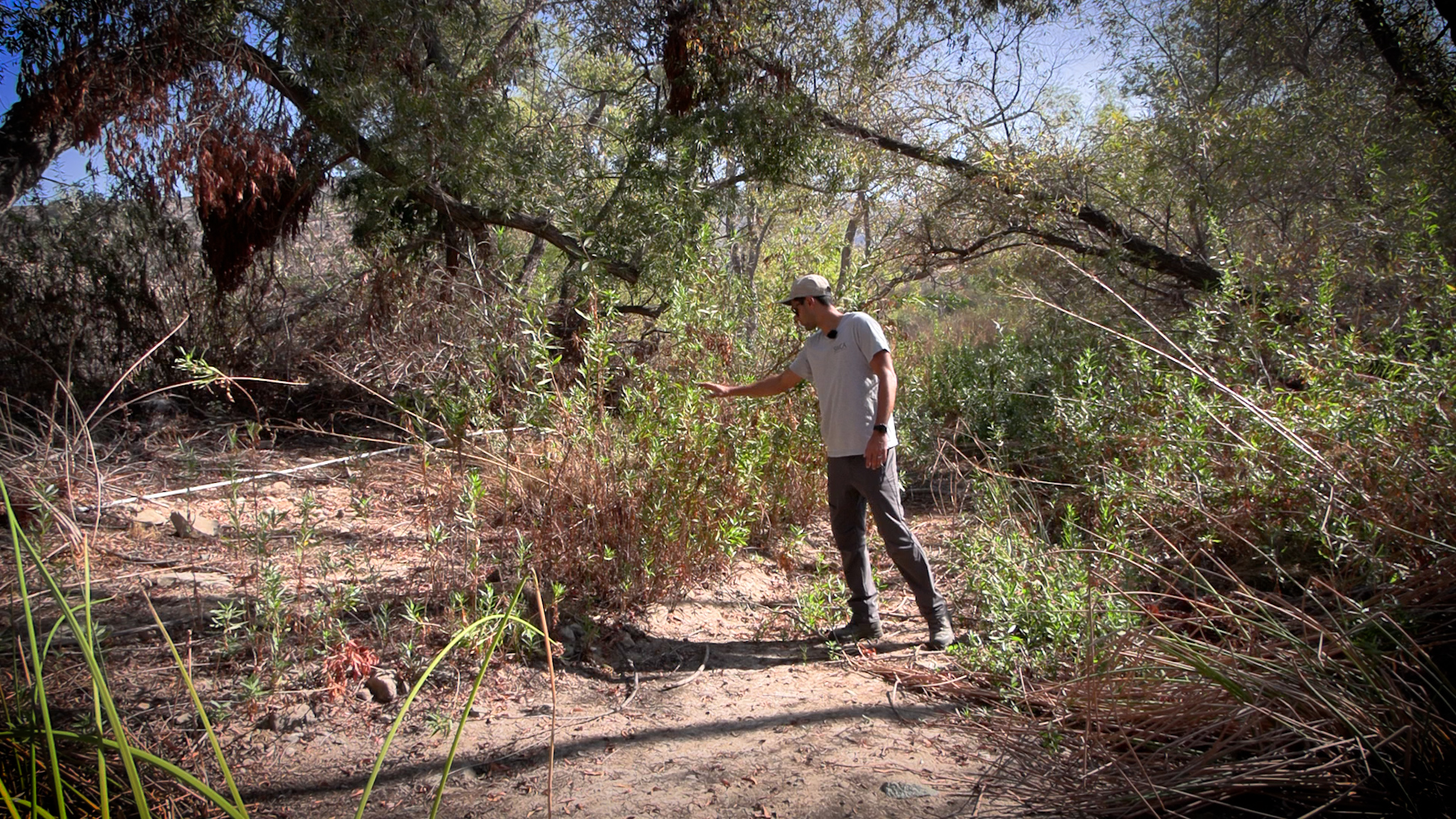
Marcus inspects an existing area of native vegetation within the Otay River Restoration site, which team used as a reference to guide the restoration of the rest of the site.
Marcus was also excited to help grow SWCA’s Restoration Ecology Practice in Southern California.
Describing the return of the endangered least Bells vireo—a small, grey songbird—to a riparian habitat along the Otay River that he helped restore as “a career-defining experience,” Marcus adds, “One person alone does not achieve that.”
“It takes a team. That’s why I’m excited to see our Southern California team grow from three or four people, when I joined in 2022, to ~20 now. Each new person’s knowledge and creativity will magnify our achievements year after year.”
See Marcus discuss the Otay River Restoration here.
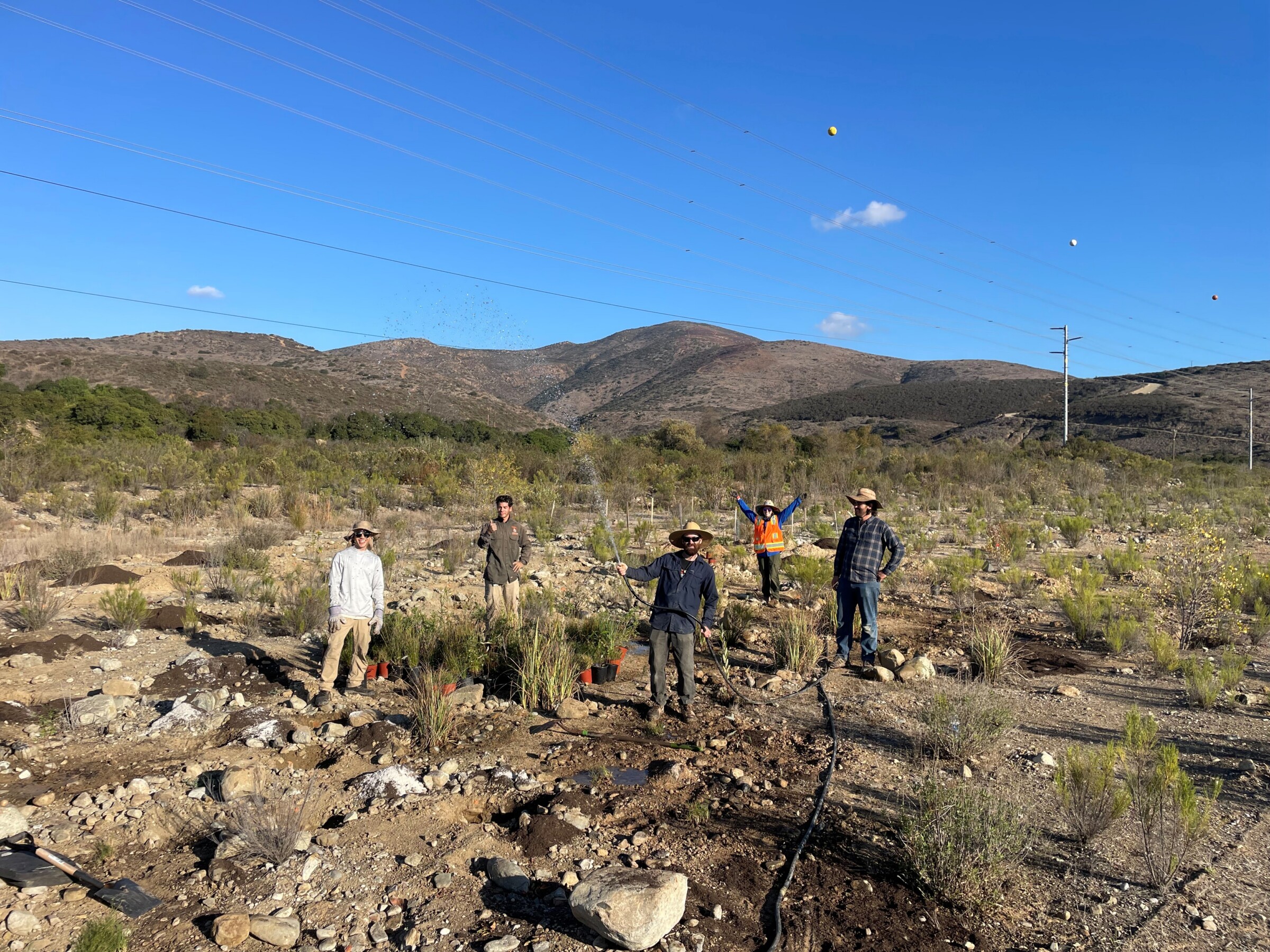
Part of the growing Southern California Ecological Restoration team. From left to right, the photo includes Adam Maldonado, Antonio La Madrid, Parker Richardson, and Jessica Flester.
Marcus sees a positive feedback loop in employee ownership. “There’s a big difference between what’s accomplished with the profits of a privately-owned company and one that is owned by employees, right? Beyond shared economic growth, we experience the reinvestment that’s made in our professional development. We have more support for ongoing training, professional conferences, research, and so on, so we see the company reinvesting in our future. Of course, that puts us in a better position to grow the company (making it more profitable), which allows for additional investment.”
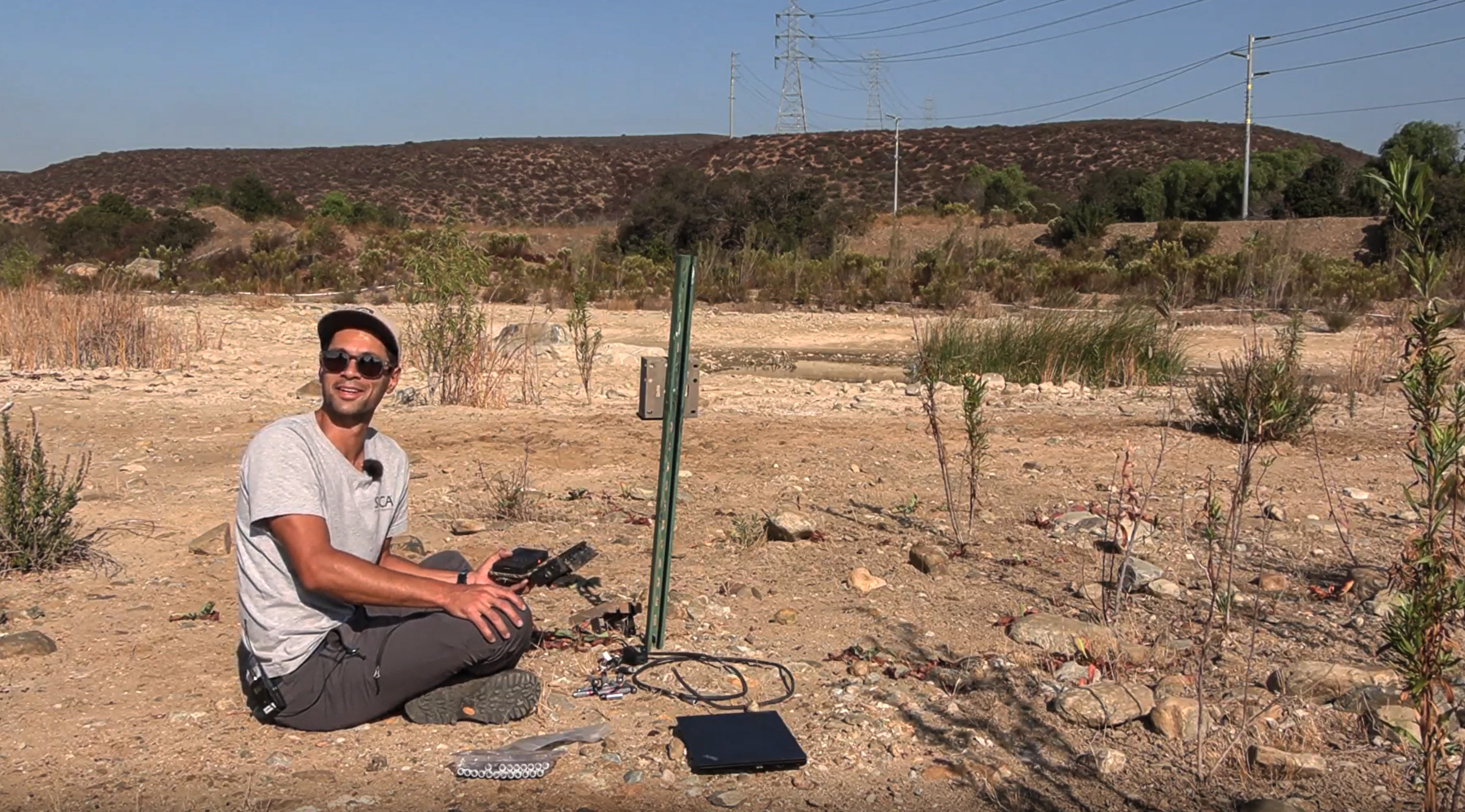
Marcus checks a camera trap that is used to monitor local wildlife on a restoration site.